As autumn settles over Shoreham, falling leaves and cooler temperatures can turn a tidy yard into an unexpected pest haven. While clearing outdoor spaces is an important seasonal task, the way you manage waste after fall yard cleanup can make the difference between a pest-resistant property and one that attracts unwanted visitors.
Effective home pest control starts outside, where overlooked debris can provide pests with food, moisture, and shelter before they find their way indoors.
How Fall Yard Debris Attracts Pests
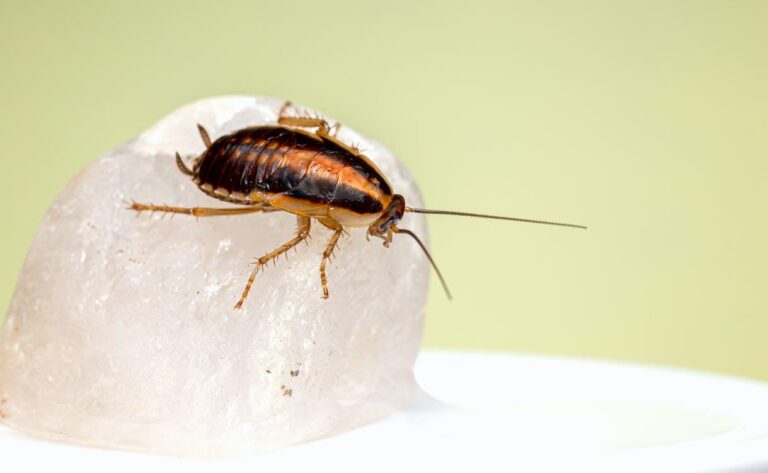
A few fallen leaves may seem harmless, but thick, damp layers create protected spaces for insects and other pests. As leaves accumulate beneath shrubs, around foundations, and beside outdoor structures, they can trap moisture and provide shelter from changing weather.
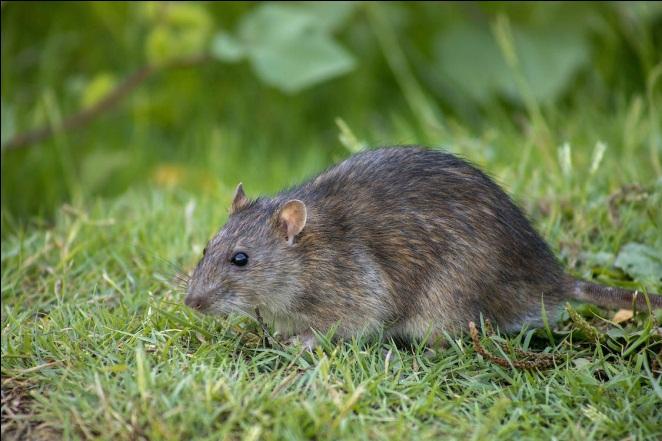
Fallen apples, berries, and other fruit offer another attraction. Rotting produce can draw ants, flies, and other scavenging pests, while food scraps left in open compost piles may encourage unwanted animal activity. Meanwhile, dense vegetation and overgrown ground cover create shaded hiding places that make spotting pest activity harder.
These conditions can become particularly problematic when outdoor pests begin exploring warmer areas around your home.

Five Fall Cleanup Habits That Help Keep Pests Away
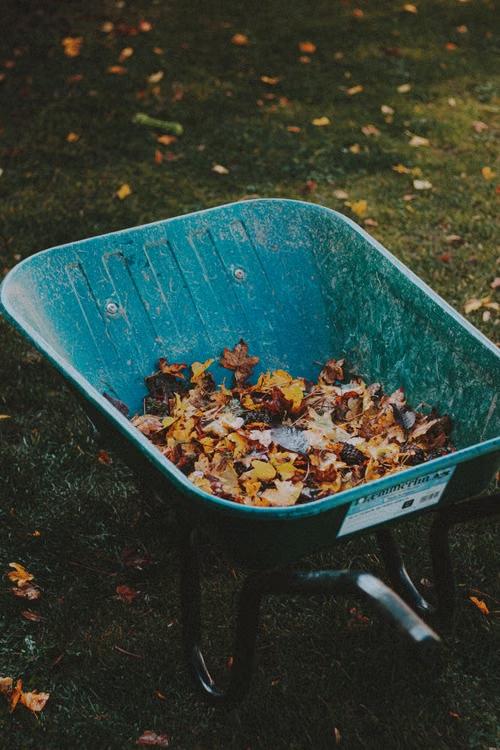
- Clear Leaves Away From Your Foundation Rake accumulated leaves from around your home’s perimeter, especially near basement windows, exterior doors, and foundation vents. Avoid allowing damp piles to sit against siding, where moisture can linger and conceal pest activity. Dispose of yard waste appropriately or use a well-managed composting system away from the house.
- Collect Fallen Fruit Promptly Inspect beneath fruit trees and berry bushes regularly throughout the fall. Remove fallen or rotting produce before it attracts insects and other scavengers. Keep outdoor trash containers covered, and clean up food residue around patios, grills, and outdoor dining areas.
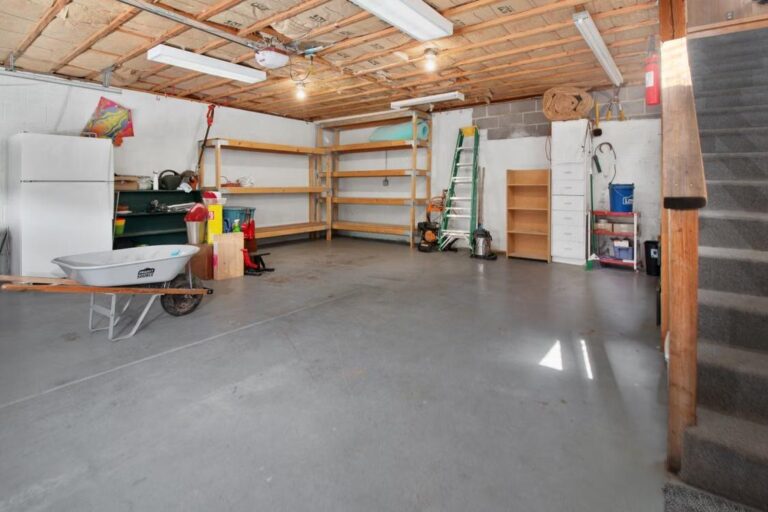
- Store Firewood and Materials Carefully Firewood, spare lumber, cardboard, and unused garden supplies can create sheltered spaces for pests. Store firewood on a raised rack away from exterior walls, and keep storage areas organized. Move unnecessary materials out of the yard rather than letting them accumulate beside sheds or garages.
- Trim Vegetation and Improve Drainage Cut back overgrown plants, remove dead vegetation, and clear debris from drainage channels. Trim branches that touch the house, and correct areas where water collects after rainfall. Reducing excess moisture and dense ground cover makes your yard less inviting to many pests.
- Inspect Outdoor Entry Points Once cleanup is complete, check door sweeps, window screens, foundation gaps, and openings around utility lines. Repair damaged seals and close accessible gaps with suitable materials. These simple precautions complement professional pest control solutions by helping limit the routes pests may use to enter your home.
Keep Seasonal Cleanup From Becoming a Pest Invitation
Don’t let fallen leaves, forgotten fruit, and outdoor clutter give pests a reason to settle near your home. Kal Pest Solutions can help Shoreham homeowners address pest concerns with practical home pest control guidance and targeted pest control service options. Contact Kal Pest Solutions to discuss your concerns and find an approach suited to your property before small pest problems become harder to manage.