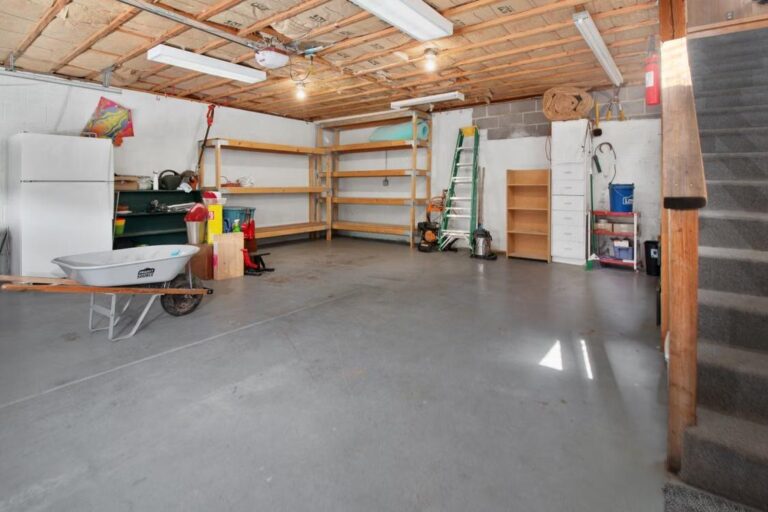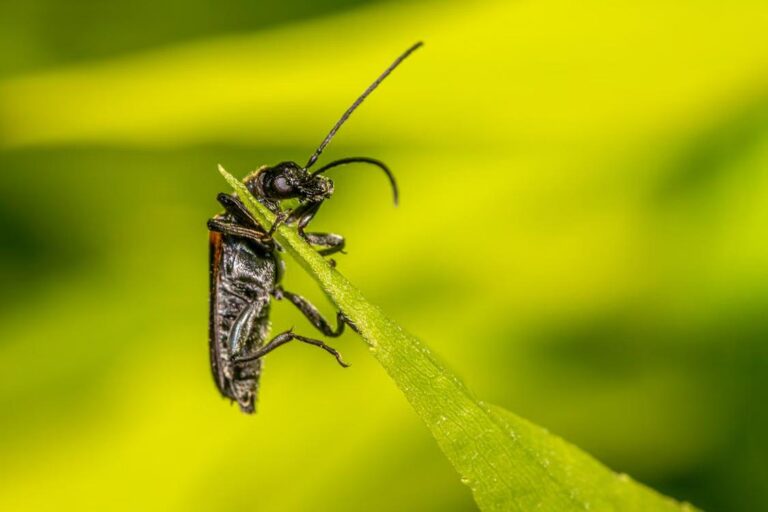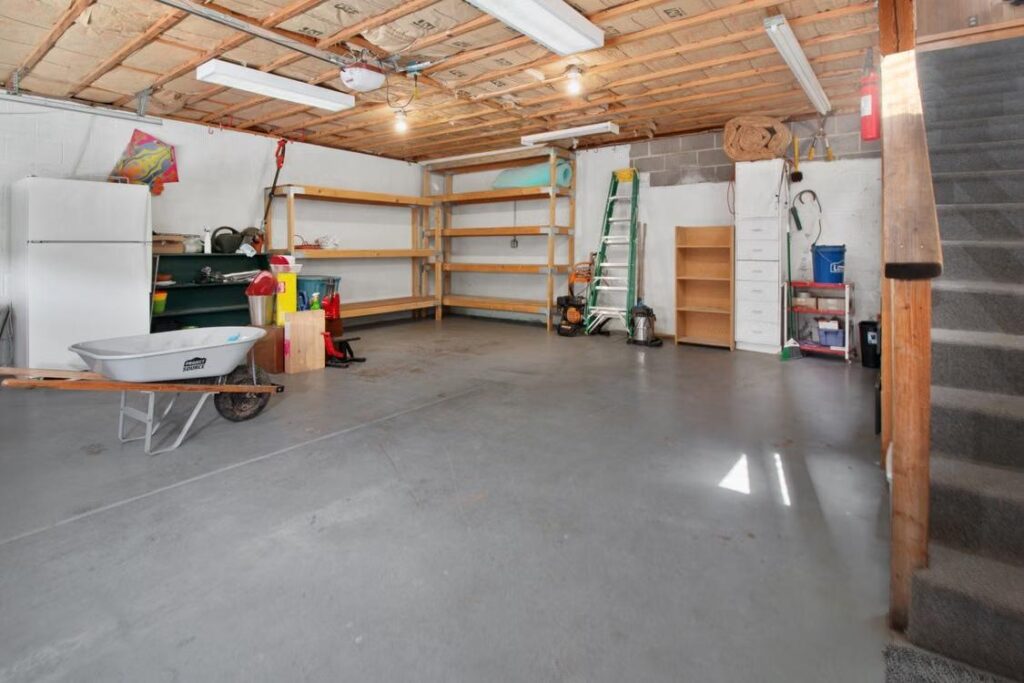
Your garage does more than shelter your vehicle and store seasonal belongings. It can also provide pests with an easy route into your home. For Lawrence homeowners, small gaps, undisturbed storage areas, and changing outdoor conditions can make garages attractive to insects and other unwanted visitors.
Effective home pest control starts with recognizing these overlooked entry points before pests spread into living spaces. Here’s what homeowners should know about pest entry through garages.
1. How Pests Find Their Way Into Garages
Gaps Beneath Garage Doors Even a small opening beneath a garage door can invite insects, spiders, and other pests inside. Worn weatherstripping, uneven flooring, and damaged door seals create convenient entry points. Attached garages present an additional concern because pests may move from the garage into the house through connecting doors or wall openings.
Inspect garage door seals regularly and replace damaged weatherstripping. Check the connecting door, too, ensuring it closes properly and has intact seals.
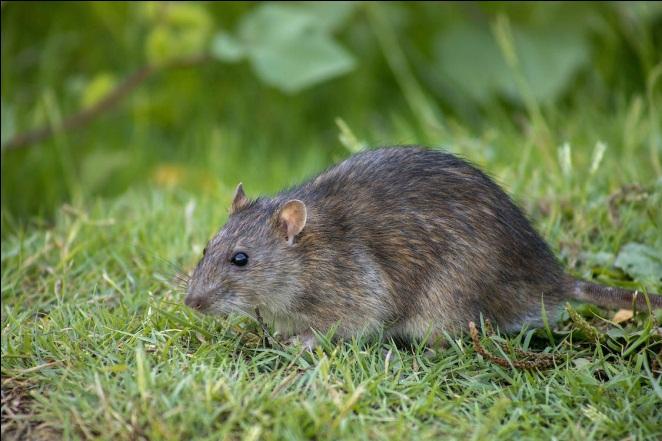
Cardboard Boxes and Clutter Garages often become long-term storage spaces for cardboard boxes, unused furniture, paper products, and forgotten belongings. Unfortunately, these items create dark hiding places where pests can remain undisturbed. Cardboard may also provide nesting material for certain insects and rodents.
Whenever possible, replace cardboard boxes with tightly sealed plastic storage containers. Keep belongings organized, elevate stored items off the floor, and leave enough space around walls to inspect for pest activity.
Cracks, Openings, and Utility Lines Tiny cracks in foundations, gaps around pipes, and openings where cables enter the garage can allow pests to slip indoors. These access points may be difficult to notice, particularly behind shelves or stored equipment.
Seal suitable cracks with appropriate materials and inspect the areas surrounding utility lines. Because some openings require specialized repairs, a professional inspection can help determine which gaps need attention.

2. When Garage Pests Move Into Your Home
A pest problem confined to the garage may not stay there. In attached garages, insects can travel through connecting doorways, wall cavities, and plumbing openings.
Once inside, they may find food, moisture, and shelter in kitchens, bathrooms, and other living areas.
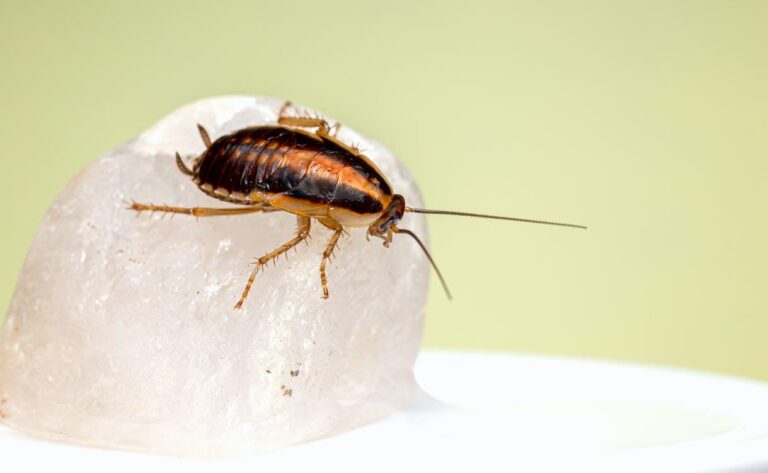
Cockroaches are particularly concerning because they can hide in narrow spaces and reproduce in favorable conditions. If you notice droppings, egg cases, or repeated sightings, professional roach control can help address the infestation and identify contributing conditions. Depending on the severity, roach extermination may be necessary to manage established populations.
3. Simple Ways to Make Your Garage Less Inviting
A few consistent habits can reduce opportunities for pests to enter and settle:
Inspect garage doors and replace worn seals.
Store belongings in sealed, pest-resistant containers.
Remove unnecessary clutter and sweep floors regularly.
Repair cracks and seal appropriate gaps around pipes.
Avoid leaving pet food, birdseed, or rubbish exposed.
Check stored items for signs of insects before bringing them indoors.
These steps help reduce potential hiding places, but they may not eliminate an existing infestation or reveal every concealed entry point.
Protect Your Lawrence Home From Garage-Related Pests
Don’t let an overlooked garage become a gateway for unwanted pests. Kal Pest Solutions can help identify vulnerable entry points and recommend appropriate pest control solutions for your property. Schedule a professional pest inspection to address existing concerns, improve prevention, and help keep your Lawrence home more comfortable and protected throughout the year.